

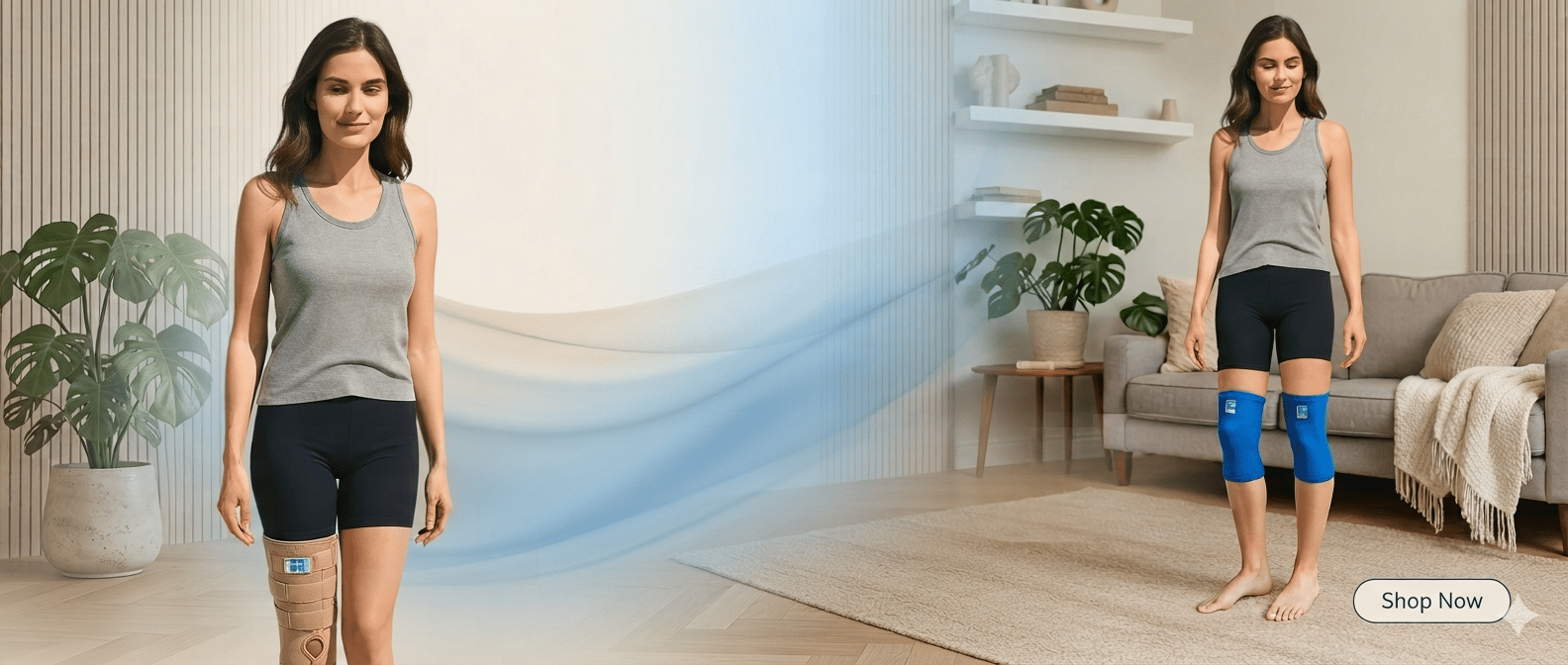
Knee Cap vs Knee Brace vs Knee Support: Which One Do You Actually Need?
Walk into any pharmacy and ask for something for knee pain, and you will hear three words used almost interchangeably: knee cap, knee support, and knee brace. They are not the same thing. Each offers a different level of compression, stability, and movement control, and picking the wrong one can mean paying for protection you do not need, or worse, under-supporting an injury that needs real stabilisation.
At Unisoft, we have been manufacturing orthopaedic supports in India since 1975, and this question comes up every single day. So here is the plain-English answer, organised by what your knee is telling you.
- The 30-second answer
- Knee cap: everyday compression
- Knee support: added stability
- Knee brace: maximum control
- How to choose by symptom and activity
- Getting the size and fit right
- How long should you wear it?
The 30-second answer
Think of the three as levels on a ladder:
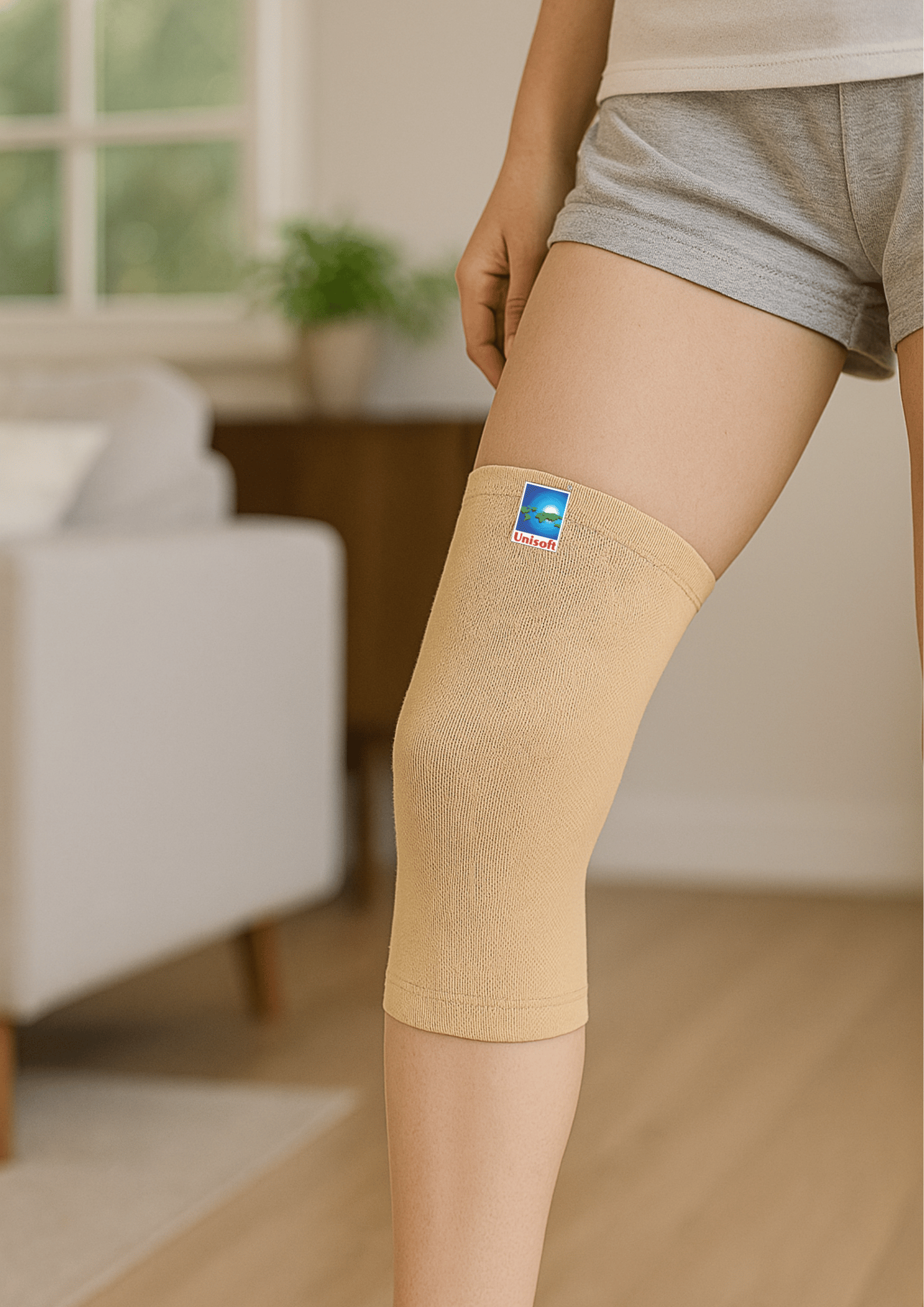
- Knee cap (level 1): a snug elastic sleeve for mild pain, stiffness, swelling control, and activity protection. Best for daily wear, walking, and gym warm-ups.
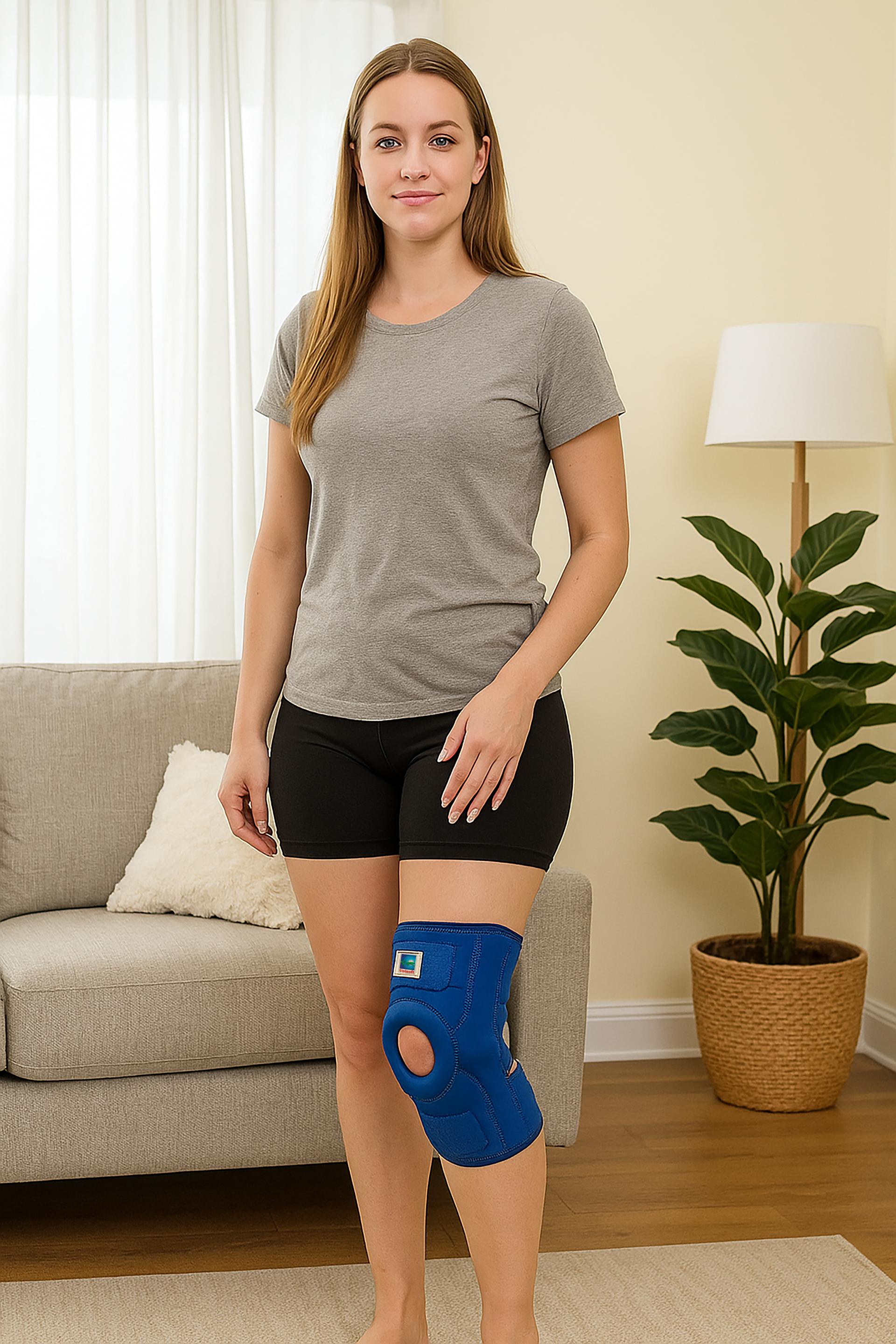
- Knee support (level 2): a firmer sleeve, often with an open patella or side stabilisers, for moderate pain, early arthritis, and post-strain recovery. Hinged versions add side-to-side control.
- Knee brace (level 3): a rigid or semi-rigid device with hinges and straps for ligament injuries, post-surgery recovery, and doctor-directed immobilisation.
If you remember nothing else: compression for comfort, support for stability, brace for control.
Knee cap: everyday compression
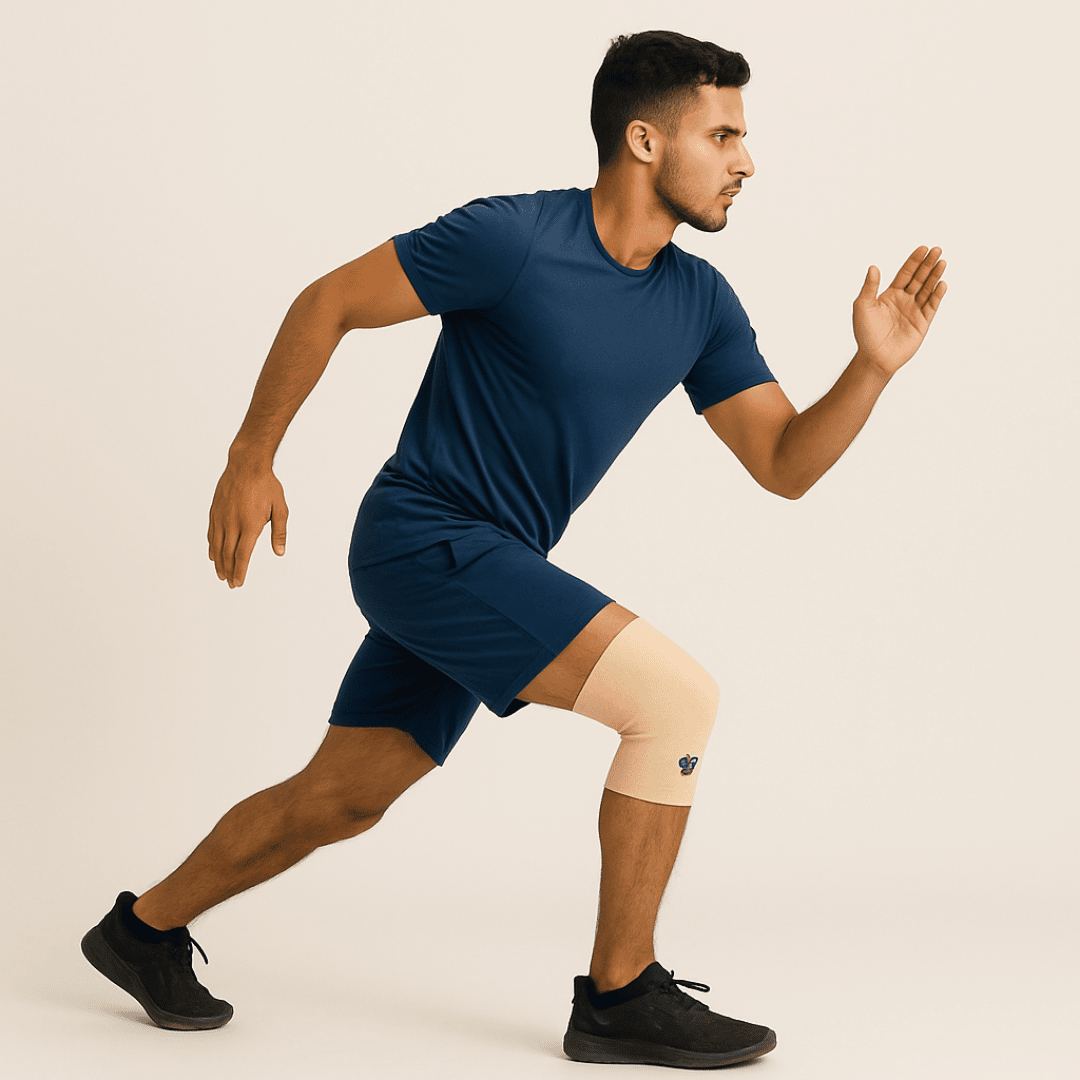
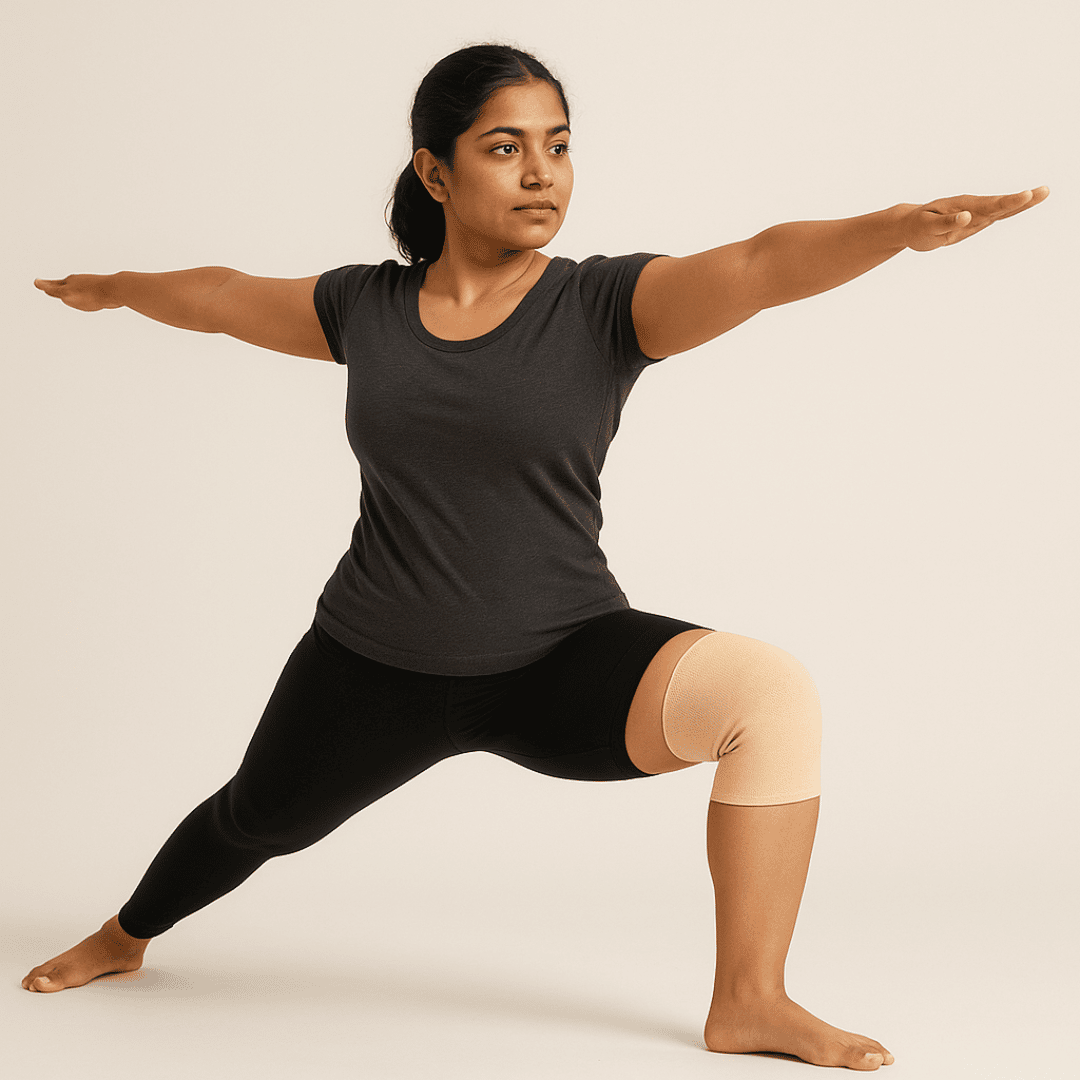
A knee cap is a compression sleeve. It warms the joint, improves blood flow, reduces minor swelling, and gives your brain better awareness of the joint's position, which subtly improves movement control. This is why a simple cotton or 3D-stretch knee cap feels so good on stiff mornings and long walking days.
Choose a knee cap if you have mild, occasional pain with no instability, you stand or walk for long hours, or you want light protection during yoga, cycling, or gym sessions. Breathable cotton suits all-day wear in Indian summers, while silky and 3D-stretch weaves offer a closer sporty fit.
Knee support: added stability for weak or recovering knees
A knee support takes the same sleeve concept and adds structure: firmer fabric, sometimes an opening that seats the patella (kneecap bone) in place, and in hinged versions, flexible side bars that resist sideways wobble while letting you bend normally.
This is the right level for moderate osteoarthritis pain, knees that feel like they might give way on stairs, recovery after a minor sprain, and returning to sport after a lay-off. According to the American Academy of Orthopaedic Surgeons (OrthoInfo), compression and stabilising supports can help manage symptoms of knee osteoarthritis alongside exercise and weight management, though they work best as part of a plan, not as a cure.
 Knee Cap Cotton, our most-loved everyday sleeve at ₹99. See the product
Knee brace: maximum control after injury or surgery
A knee brace is a medical device, not a comfort accessory. Long and short braces use rigid supports and adjustable straps to limit how far and in which directions the knee can move. Doctors typically recommend them after ligament injuries (like ACL or MCL strains), meniscus injuries, fractures around the knee, or post-operative recovery, where protecting healing tissue matters more than freedom of movement.
Two honest cautions. First, a brace should generally be chosen on medical advice, because the right length and rigidity depend on your specific injury. Second, wearing a rigid brace when you only have mild pain can weaken the muscles around the knee over time, since the brace does work your muscles should be doing.
How to choose by symptom and activity
- Morning stiffness, mild ache, long standing hours: knee cap (cotton for all-day, 3D stretch for activity).
- Pain on stairs, mild arthritis, slight instability: knee support, hinged if the knee wobbles sideways.
- Recent ligament or meniscus injury, post-surgery: knee brace, length as advised by your doctor.
- Running and sports: knee cap for prevention; upgrade to a hinged support if you have a history of injury. Our running collection groups the right options.
- Gym and squats: compression knee cap for warmth and confidence under load.
One more rule worth following: if pain came from a specific twist, pop, or fall, or if the knee locks, gives way, or swells rapidly, see a doctor before buying anything. The NHS guidance on knee pain advises getting it checked when pain is severe, lasts beyond a few weeks, or follows an injury.
Getting the size and fit right
Support only works when it fits. Measure the circumference of your leg at the centre of the kneecap while standing, then check the product's size chart before ordering. A correct fit feels snug but never tingles, never leaves deep red marks, and never slides down when you walk. If you are between sizes, most people should size up for daily comfort and down only for short sports sessions.
How long should you wear it?
Knee caps can be worn through the working day, though it is good practice to remove them at night so skin can breathe. Knee supports follow the same rhythm: wear during activity and rest periods that load the knee, remove when sleeping. Braces follow your doctor's schedule exactly, including at night if instructed.
Pair whatever you wear with simple strengthening, gentle quadriceps and hamstring work a few times a week, so the support assists your muscles instead of replacing them.
Support that has earned five decades of trust
Every Unisoft product is made in India, doctor-recommended, and priced so that proper orthopaedic care never feels like a luxury. From a ₹99 cotton knee cap to hinged braces, the full range ships free above ₹999 with easy 7-day returns. Start with our knee collection and give your knees the level of care they are asking for.
Practical guidance on joint care, posture, and recovery from a team with 50 years of orthopaedic experience.
Browse all products-01K4A2RM6NA4JTJ3AKGRMRW0V7.jpg)